
Shilajit Review: I Tested It for Two Weeks — Here’s What Actually Happened
I’d never heard of shilajit until a viewer DM’d me and told me I should check it out. So I did what I always do — I looked into it, got sceptical, tried it anyway, and here’s my honest take.
What Is Shilajit?
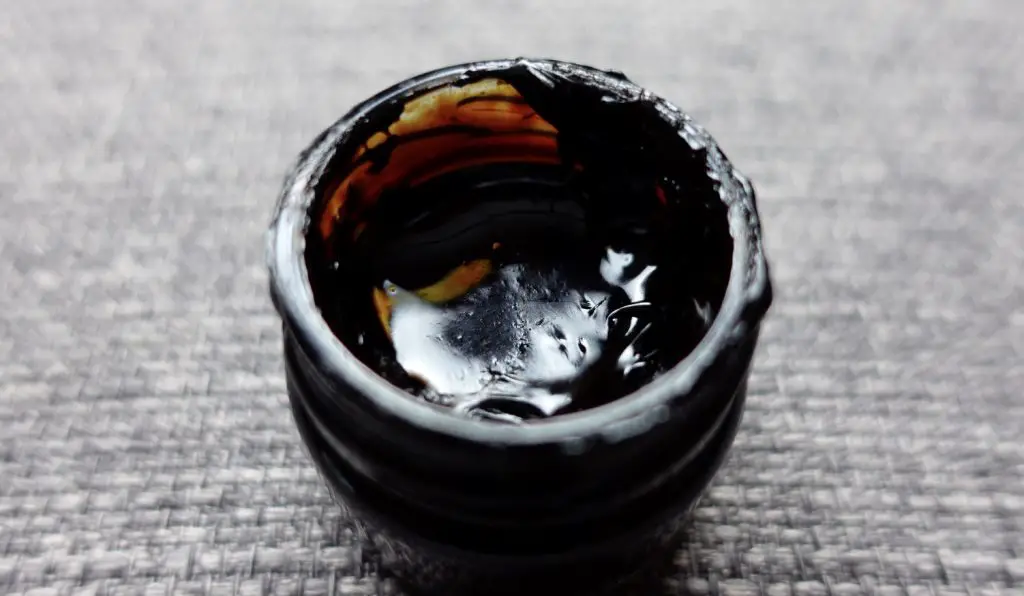
Shilajit is a natural substance found mainly in the Himalayas. It forms over centuries as plants and organic matter decompose under pressure, eventually producing a thick, tar-like resin that seeps out of rocks. It’s been used in Ayurvedic medicine for thousands of years and is claimed to help with energy, focus, testosterone, cholesterol, and general men’s health.
Sounds good on paper. But claims are cheap — so I decided to actually test it.
The Fake Seller Problem (And Why It Matters)
Before I even get into how it made me feel, there’s something important you need to know about buying shilajit: the market is full of dodgy sellers.
A lot of sellers offer free products in exchange for positive reviews. Others straight up buy fake reviews — hundreds of them, overnight, using bots. The result is that you can easily end up spending money on something that’s been diluted, mislabelled, or just isn’t what it claims to be. Then it does nothing, you write the whole thing off, and you never find out whether the real thing actually works.
I nearly bought something online until a friend mentioned he actually takes the stuff and pointed me to the seller he trusts. That was good enough for me. I got a small jar from his source and started from there.
If you’re going to try shilajit, spend time researching the seller. Look for third-party testing and a certificate of analysis. Don’t just grab whatever has the most five-star reviews.
What It’s Like to Actually Take
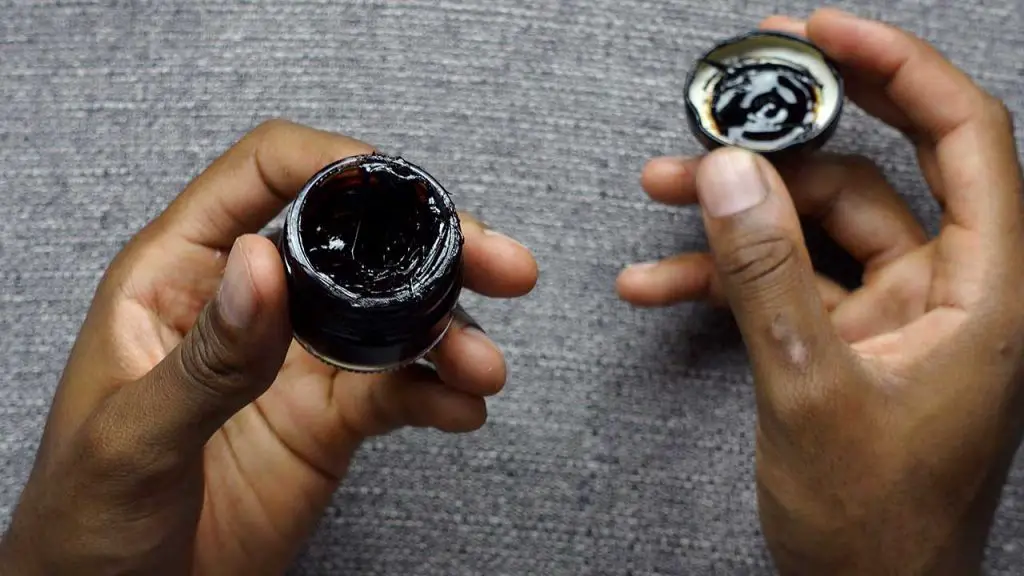
Let’s be straight about the taste: it’s rough. Shilajit has a very strong, earthy flavour — sort of like liquorice, but more intense and with a smell that hits you before the taste does. There’s no disguising it. I tried mixing it with lemon juice and it made zero difference. You just have to hold your nose and get it down.
At room temperature the resin is quite hard, so you need to sit the jar in hot water for a few minutes to soften it enough to scoop. Then I’d dissolve my dose in a small glass of hot water, wait for it to melt as the water cooled, and drink it quickly. I was taking it three times a day — morning, midday, and evening — and the preparation process did get a bit old after a while.
Capsules are available if you want to skip all of this. I can’t say whether they’re more or less effective since I only used the resin, but they’re definitely more convenient.
What I Actually Noticed
I cut out all my other supplements during the testing period so I could isolate the effects as much as possible. I kept my protein powder but nothing else.
For the first three days, I noticed nothing. I genuinely thought it wasn’t going to do anything and almost packed it in.
Around day four, something shifted. I felt less fatigued in the early afternoon — which is normally a low point for me — and I had noticeably more energy in the gym. I was getting more work done, my appetite picked up slightly, and my focus was better. I was less prone to getting distracted mid-task, which is always welcome.
The change wasn’t dramatic. Nobody’s going to tell you they felt like a different person. It was subtle but consistent, and it became more noticeable the longer I used it. I was told it builds up in your system over time rather than hitting immediately, and that matches what I experienced.
In terms of mood, I can’t say I felt particularly different emotionally — but I did feel more motivated to actually get up and do things, which for me counts for a lot.
I wasn’t able to test the cholesterol claims since I didn’t have a testing kit, so I can’t speak to that.
Is It Worth It?
Yes — with a couple of caveats.
The taste and preparation are a genuine hassle, especially three times a day. But if something is actually working, you adapt. The bigger issue is sourcing. If you buy from the wrong seller, you’ll likely feel nothing and write the whole thing off unfairly.
Start with a small amount, give it at least a week before you judge it, and buy from somewhere reputable.
Why Fake Shilajit Is More Dangerous Than You Think
Buying good quality shilajit matters more than with most supplements — and here’s why. Fake or low quality shilajit isn’t just ineffective, it can contain toxic heavy metals, harmful fungus, or filler materials that have no business being ingested. The market for shilajit is poorly regulated and the scarcity of genuine product means fake and adulterated versions are everywhere. It happened to me personally — I bought what turned out to be fake shilajit from a market stall in London, and it was only by luck that I noticed something was wrong before using it.
That experience pushed me to look more carefully into how to tell real shilajit from fake, and I put together a video covering exactly what to watch out for.
How Do You Know If Shilajit Is Real?
The first thing to understand is that cheap price is a red flag, not a bargain. Genuine shilajit is scarce and takes centuries to form — if someone is selling it cheaply, ask yourself why. I ignored that flag when I bought from the market stall and paid the price.
The sediment I noticed in my glass — which looked like sand — was the giveaway. Some sediment is normal in shilajit, but sand-like grit at the bottom is not. If something looks or smells off, trust that instinct and don’t use it.
What Are the Three Things to Check Before Buying Shilajit?
1. Look for third-party lab certification. A legitimate seller should have a certificate of analysis from an independent lab visible on their product page. Don’t just take it at face value — check that the lab itself actually exists. Some sellers create fictitious lab names to make their products look legitimate.
2. Do the burn test. Once you have the product in front of you, put a small amount on a spoon and hold it over a flame. If it bubbles and leaves behind ash, that’s a good sign. If it combusts like a match, walk away. I did this test on the shilajit I had — it passed. The sandy market stall stuff, I didn’t bother testing because I’d already decided to bin it.
3. Buy from a reputable source. Online marketplaces with proper seller vetting are safer than random listings. And if a seller contacts you after purchase offering a discount or partial refund in exchange for a positive review, that tells you everything you need to know about the reviews you read before buying.
None of this should put you off shilajit — when it’s genuine, it works. It just requires a bit more diligence than picking up a protein powder.
Author

-
Stuart Patrick is a health and fitness lifestyle journalist who writes for ListedFit.com.
“I've spent a lot of time trying to get in shape and change my body and I realised there are so many untruths in the health and fitness industry that can slow down or stop your progress, so I share my knowledge and experience to help others to cut through the BS.”
Latest entries
 SupplementsMay 4, 2026Korean Red Ginseng Benefits for Men: What I Discovered in South Korea
- FitnessMay 4, 2026Can Lion’s Mane Cause Headaches? It Happened to Me — Here’s Why
- MacaMay 4, 2026Red Maca vs Black Maca (and Yellow): Which Type Is Best for You?
- MacaMay 4, 2026Black Maca Benefits: What I Noticed After 60 Days of Testing It
Affiliates:
This post may contain affiliate links that at no additional cost to you, the site may earn a small commission. We only recommend products we would use ourselves and all opinions expressed on this site are our own.
General Advice:
The information provided in this article is for general informational purposes only. It is not intended as a substitute for professional advice. Always consult with a qualified healthcare professional before starting any new diet, exercise program, or making changes to your health routine.
Accuracy Advice:
While we strive to provide up-to-date and accurate information, the content in this article may not reflect the most current research or medical guidelines. We encourage readers to do further research and consult with professionals for more personalized advice.
Our Recommendations:
The products and services mentioned in any of our articles are recommended based on our independent research and personal experience. We are not sponsored by any company. We aim to suggest products and services we believe are of high quality and could be beneficial to our readers.