Learning a Musical Instrument After 30 Is One of the Best Things You Can Do for Your Brain — Here’s What the Research Says
I’ve spent a lot of time on this site talking about what you can put in your body to improve cognitive function — ashwagandha for stress and sleep, various nootropic stacks for focus. But one of the consistently strongest interventions in the brain health research isn’t a supplement at all. It’s learning a musical instrument.
A few years ago I bought a cavaquinho — a small Brazilian string instrument, somewhere between a ukulele and a mandolin. I did a couple of lessons and I’m not good at it. I never got past the basics and I don’t play it regularly. But spending time with it, even badly, gave me a firsthand sense of what the practice itself does to your focus and stress levels. And running Folkstrings.com, a site about folk instruments, has meant years of reading the research and talking to people who do play consistently. The cognitive case for it is genuinely compelling.
Here’s what the research actually says.
What Happens to Your Brain When You Learn an Instrument
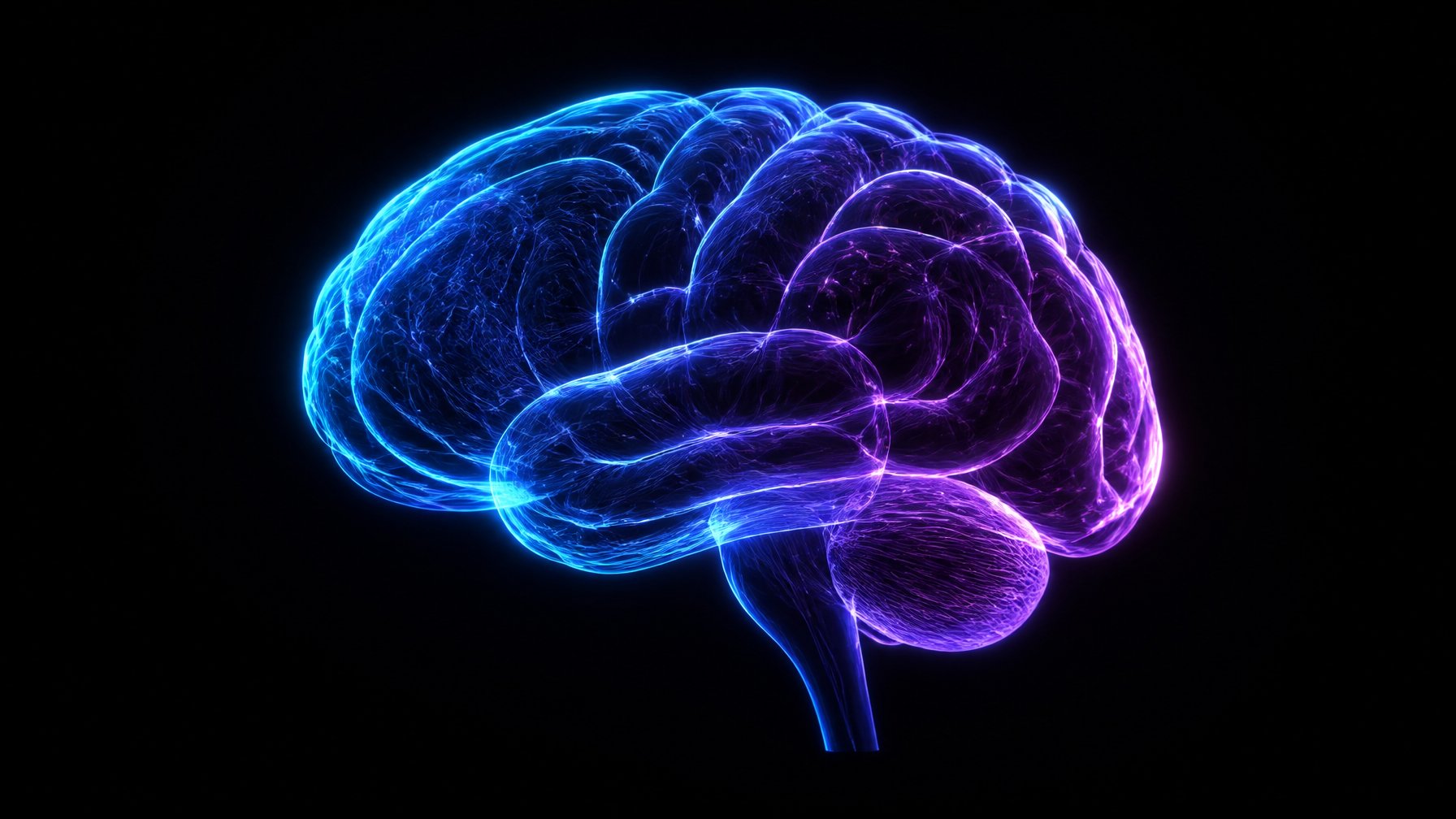
The research here is solid and has been building for decades. Learning and regularly playing a musical instrument is one of the few activities that activates both hemispheres of the brain simultaneously. Your motor cortex is firing for finger movement. Your auditory cortex is processing the sound you’re making in real time. Your visual cortex is reading notation or tracking your hands. Your prefrontal cortex is managing timing, memory, and decision-making. All at once.
The result is something researchers call structural neuroplasticity — your brain physically changes. The corpus callosum (the bridge connecting the two hemispheres) gets thicker in musicians. Grey matter density increases in regions associated with motor control and auditory processing. These aren’t abstract findings — they show up on brain scans and they correlate with measurable performance differences.
A study by Hanna-Pladdy and MacKay (2011) found that older adults who had played an instrument regularly throughout their lives scored significantly better on cognitive tests than non-musicians of the same age — particularly on tasks involving working memory and executive function. The protective effect was largest for people who had accumulated the most years of playing. The benefit was dose-dependent: more years of regular practice meant more protection against age-related cognitive decline.
A 2020 study in PLOS ONE found that even six months of structured music lessons produced measurable improvements in verbal working memory and processing speed in adults with no prior musical experience.
How This Stacks Up Against the Supplement Angle
I’m not going to claim playing an instrument is better than a well-designed supplement stack. But I will say this: the cognitive benefits of regular instrument practice are more durable, more broadly documented, and more transferable to daily life function than most of what’s in a standard nootropic stack.
The way I think about it: supplements like ashwagandha create better conditions for your brain to function — lower cortisol, better sleep, reduced physiological stress. Music practice is direct exercise for the neural tissue itself. One’s support; the other is deliberate training.
They’re also genuinely complementary. KSM-66 ashwagandha, which I’ve tested and written about here, noticeably reduces the mental restlessness that makes learning a new skill difficult. Learning an instrument as an adult is frustrating at times — that cortisol spike when something won’t click is real — and lower baseline cortisol makes the practice sessions more productive. If you’re going to take the instrument seriously, getting your stress baseline under control first is worth doing.
The Bit Nobody Talks About: You Don’t Have to Start With Guitar or Piano
The cognitive benefits aren’t instrument-specific. You get the same neuroplasticity effects from playing any instrument with adequate regularity and focus. What varies is the entry barrier.
Guitar and piano are the obvious starting points but they’re not the easiest. Guitar has a real physical barrier early on — fingertip pain before calluses form, hand strength required for barre chords, the complexity of coordinating both hands simultaneously. Piano has an enormous technique curve before it sounds like music.
Folk instruments are genuinely easier entry points and are massively underrated for adult beginners. The autoharp, for example, works by pressing chord bars that mute the wrong strings — press the C major bar, strum across all 36 strings, and you get a clean C major chord with no wrong notes possible. You can play actual songs within your first session. The mountain dulcimer is similarly accessible, with a fretboard designed around a diatonic scale that makes melody playing intuitive from the start.
This matters for cognitive benefit because the benefit requires regular, sustained practice. An instrument you can actually engage with after a hard day — one that gives you a sense of progress and reward early on — is one you’ll stick with. An instrument that feels like failure for the first six months is one you’ll quit. I cover folk instruments for adult beginners at Folkstrings.com, and the autoharp in particular gets a strong recommendation for anyone who wants the cognitive benefits without the steep initial learning curve.
What the Regular Practice Actually Does
Speaking to players who’ve been doing this for years rather than from my own limited experience, a few things come up consistently:
Stress regulation. Regular players report that even a 20-minute session in the evening measurably reduces stress in a way that passive activities like watching TV don’t. The focus required during practice — you genuinely can’t think about work problems while reading music or memorising chord changes — functions as a form of enforced mindfulness.
Sustained attention. The practice itself — the repetition of a difficult passage, the debugging of something that won’t resolve, the patience a new skill demands — is direct training for the same attentional muscle you use for reading, writing, and focused work. Players consistently report carryover into their professional lives.
Long-term memory. Musicians can recall music learned years or decades ago in striking detail. The encoding depth that musical practice creates is unlike passive learning — the motor memory, the emotional associations, and the cognitive effort all combine to make it extremely durable.
Practical Starting Point
- 20–30 minutes of deliberate practice daily produces measurable neural changes over 6 months. You don’t need to be performing.
- Pick something accessible. For adult beginners with no prior experience, folk instruments are worth considering before guitar or piano. Lower entry barrier, faster early wins, more likely to stick.
- Stack it sensibly. KSM-66 ashwagandha at 300–600mg daily will take the cortisol edge off the frustration of learning something new — which is real, especially in the first few weeks.
- Track it like a supplement trial. Note your mood and focus before and after sessions for the first 8 weeks. The data will keep you consistent more reliably than motivation alone.
The research is solid. This is one of those non-supplement interventions that’s genuinely worth adding to whatever you’re already doing.
Author

Latest entries
 FitnessJuly 5, 2026Learning a Musical Instrument After 30 Is One of the Best Things You Can Do for Your Brain — Here’s What the Research Says
 SupplementsMay 14, 2026Tribulus Terrestris and Testosterone: Does the Science Actually Back It Up?
- SupplementsMay 14, 2026Oysters for Testosterone: Why This Is the Best Zinc Food for Men
- FitnessAugust 19, 2023Yohimbe vs Yohimbine: A Quick Comparison Guide